
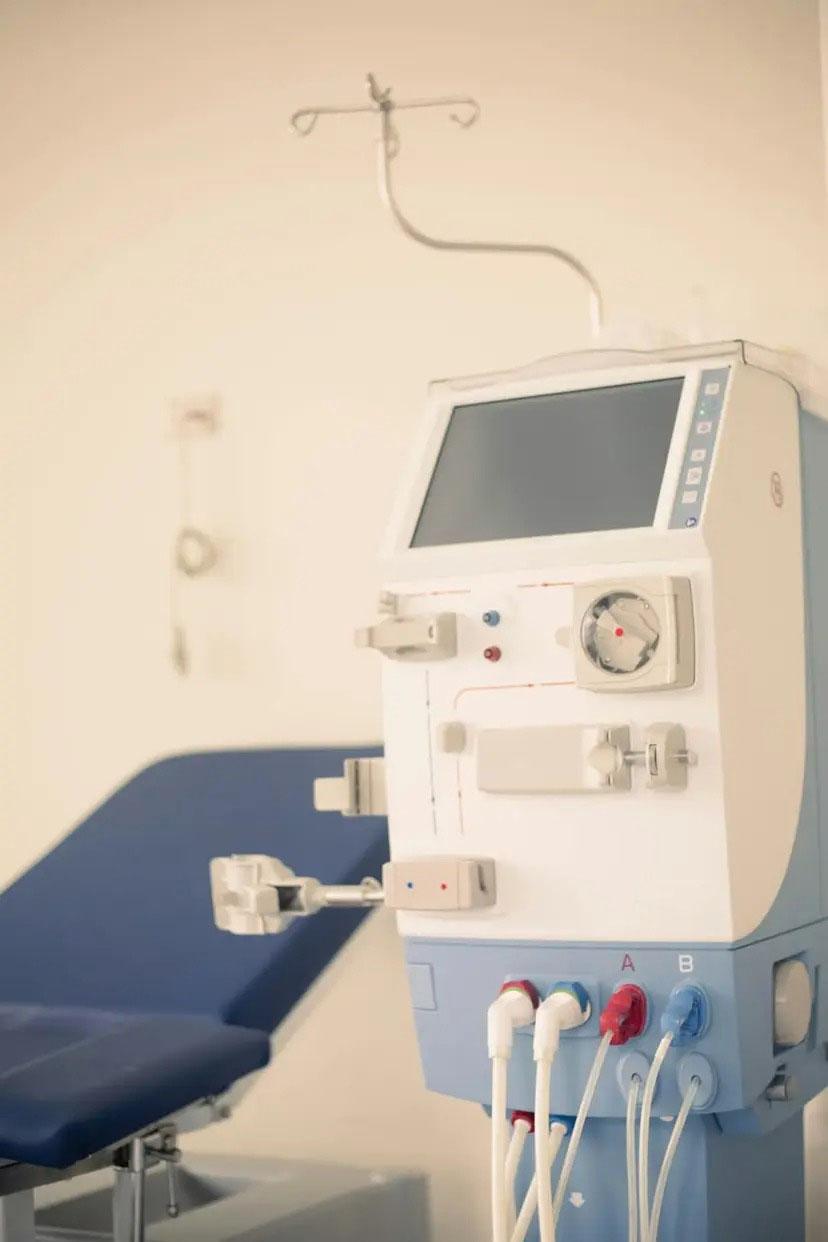
A hemodialysis program runs on a predictable rhythm — sessions are scheduled, recurring, and unforgiving of supply gaps. Catheters, bloodlines, and dialyzers all need to be on hand exactly when a session is scheduled, which puts renal care programs among the least forgiving areas of hospital procurement.
Equipment maintenance is the other half of the equation. Dialysis machines that go down unexpectedly don't just delay a single session — they can cascade into a scheduling problem for an entire unit. Procurement and equipment servicing need to be planned together, not treated as separate line items.
This is why we pair dialysis machines and consumables with ongoing equipment maintenance and clinical supply management, rather than a one-time equipment sale — a renal care program's reliability depends on the relationship continuing well past delivery day.